

Commercial and residential ice machines are workhorses that quietly keep beverages cold and customers happy. But without consistent maintenance, these machines can quickly develop buildup that affects both performance and sanitation. Regular ice machine cleaning is more than just a maintenance task. It’s a critical step in ensuring safe, clean ice and a long-lasting appliance.
Because ice is considered a food product in many jurisdictions, the internal components of an ice machine must stay as clean as any surface in a kitchen. Even a thin layer of residue or scale can harbor bacteria, reduce efficiency, and lead to unpleasant odors or cloudy ice. Knowing how to clean ice machine units properly, or when to call a professional ice machine repair technician, is essential to keeping your system running safely and efficiently.
Effective Ice Machine Cleaning
Ice machines handle water continuously, and over time, minerals, mold, and slime can develop in the lines, bin, and evaporator plate. While surface wiping can help between service visits, deep ice machine cleaning is best performed by a trained technician who can safely access internal parts and use manufacturer-approved cleaning and sanitizing solutions. This approach prevents damage and ensures food-safety compliance.
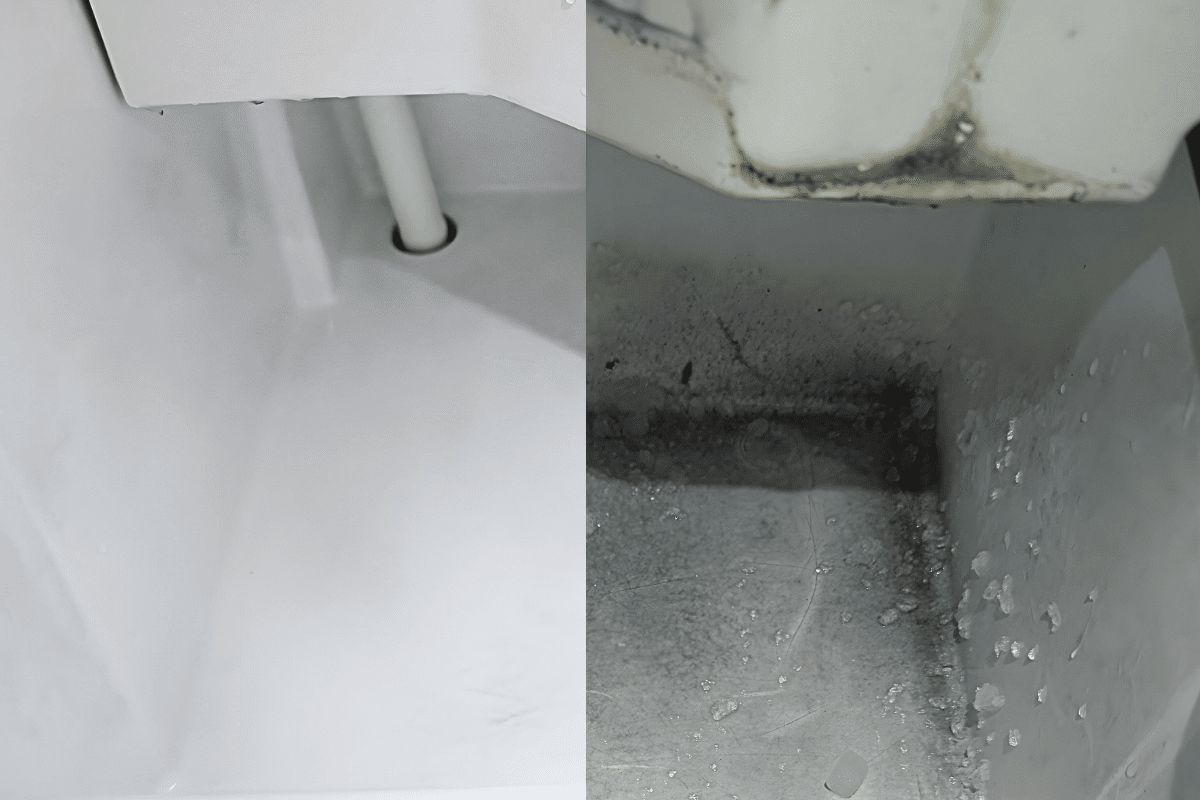
Below are some of the most common causes that lead to dirty or contaminated ice production, and why professional cleaning makes a difference.
1. Mineral Scale Buildup
As water cycles through an ice maker, minerals such as calcium and magnesium can accumulate on the evaporator plate, water distribution system, and sensors. This buildup restricts water flow, slows ice production, and can cause misshapen cubes or partial harvests. Regular ice machine cleaning helps remove these mineral deposits before they harden into scale, restoring efficient performance and preventing long-term damage to internal components.
Common signs include:
- Slower ice production or smaller cubes
- Cloudy ice appearance
- A thin, white, or chalky coating on internal surfaces
These symptoms indicate that a scale has likely formed within the water path. While descaling products exist for some residential models, using them incorrectly can damage sensors and internal parts. A professional cleaning service ensures safe removal following manufacturer specifications, protecting both performance and warranty coverage.
2. Slime and Biofilm Growth

Ice machines operate in moist, temperate environments, ideal conditions for bacterial and microbial growth. Slime and biofilm can form on bin walls, the water trough, or inside lines, producing a musty smell or discolored ice. Routine ice machine cleaning is essential to remove this buildup safely, protect water quality, and ensure the ice produced remains clear, sanitary, and great-tasting.
Watch for these signs:
- Black, pink, or green residue on interior surfaces
- Slippery buildup in the bin or chute
- Foul odor coming from the ice
These contaminants not only affect taste and clarity but can also pose health risks. Because biofilm resists many basic cleaners and bleaches, professional ice machine cleaning with food-safe sanitizers is the most effective solution. Technicians also inspect the drain system and water pathways to prevent recontamination.
3. Dirty Condenser Coils
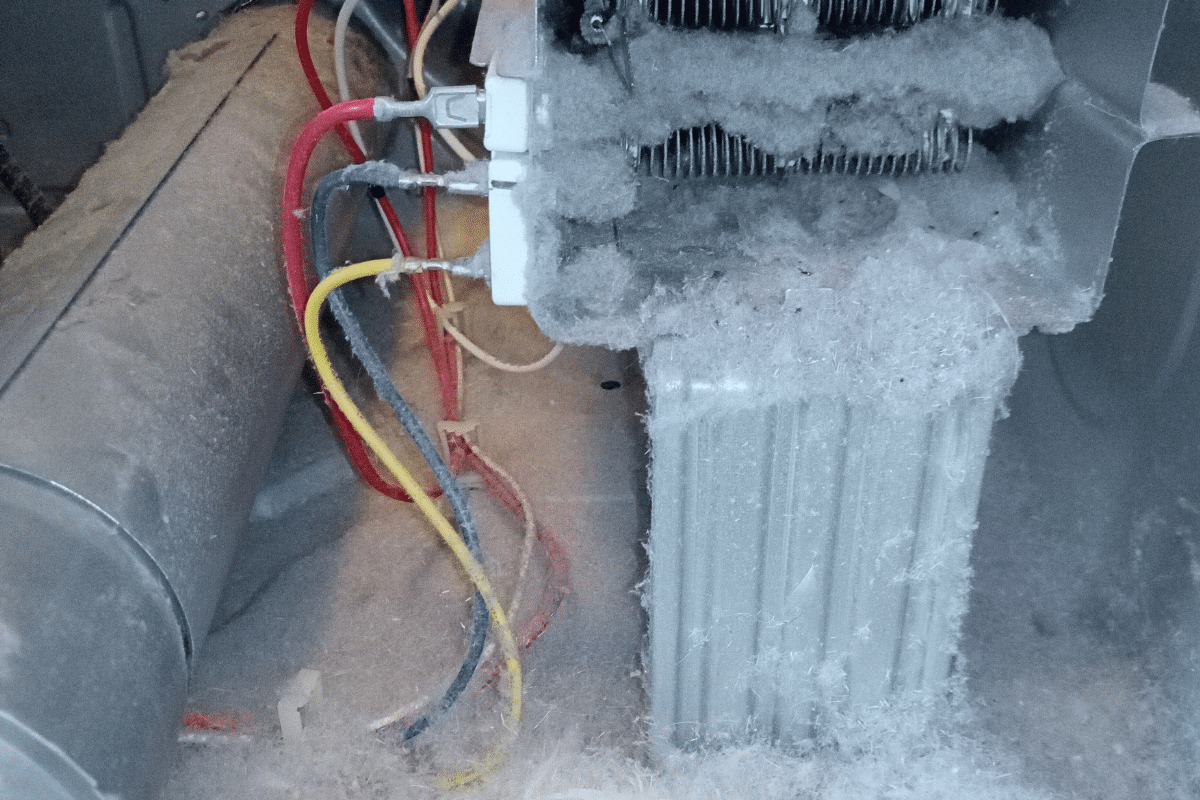
Your ice machine’s condenser coils help regulate internal temperature. When coated with dust, grease, or kitchen residue, the machine must work harder to stay cool, leading to higher energy use and mechanical strain. Regular ice machine cleaning should include coil inspection to maintain efficiency and extend the unit’s lifespan.
Indications of dirty coils include:
- Louder operation
- Reduced ice output
- Overheating or frequent shutdowns
Coil cleaning requires care, especially with water-cooled or tightly enclosed systems. Professional technicians can clean these areas safely without damaging the fins or electrical components and can verify temperature performance to prevent frost-related inefficiencies. Learn more about coil-related performance at our freezer coil frost blog.
4. Clogged Water Filters or Lines
Most ice machines rely on inline filters to trap minerals and contaminants before they enter the system. Over time, these filters can clog, reducing water flow and compromising ice quality. Always follow your machine’s manufacturer recommendations for replacement frequency.
Symptoms may include:
- Hollow or brittle ice cubes
- Slower fill rate or uneven freezing
- Mineral taste or off-odor in ice
Most manufacturers suggest changing filters about every six months, though this can vary based on water quality and use. If issues persist after replacement, biofilm or scale may be forming within the water circuit—something best resolved through professional ice machine cleaning and sanitization.
5. Dirty Ice Bin or Auger
The storage bin is often overlooked during routine care, yet it directly contacts the ice your customers consume. Mold, yeast, or bacterial buildup in this area can quickly contaminate clean ice. Regular ice machine cleaning helps prevent these problems and ensures the bin remains food-safe.
Signs that bin or auger cleaning is needed:
- Visible slime or residue on bin walls
- Ice clumps or jams during dispensing
- Unpleasant odors from stored ice
Between professional visits, staff may wipe down the bin with mild, food-safe cleaners, but persistent odor or buildup signals a need for deeper sanitization. Professional cleaning includes disassembling and disinfecting augers, seals, and internal storage areas to eliminate hidden moisture and microbial growth.
6. Poor Air Circulation or Placement
Freestanding ice machines require proper ventilation to regulate temperature and condensation. Units placed too close to walls or heat-producing appliances may overheat or collect excess moisture. Routine ice machine cleaning should include clearing vents and verifying adequate spacing for airflow.
Typical warning signs:
- Hot air exhaust near the machine
- Ice production halts during heavy use
- Condensation or water puddles around the unit
Professional technicians not only clean vents but also confirm that fans, airflow paths, and condenser intakes are clear. In humid regions such as Charleston, proper placement and ventilation can significantly extend machine life and reduce service frequency.
7. Ignored Maintenance Schedule
Even advanced ice machines will fail prematurely without regular maintenance. Most manufacturers recommend professional deep cleaning every six months, or more often in high-use or hard-water environments. Following this schedule prevents performance loss and ensures compliance with health codes.
Skipping cleanings allows scale, slime, and residue to build unnoticed until the system fails a health inspection or experiences costly downtime. Scheduled professional ice machine cleaning keeps the water system, sensors, and refrigeration components operating at peak performance.
A professional technician documents each service, verifies that sanitizing agents meet food-safety standards, and identifies wear or part issues before they cause failure.
Why Professional Cleaning Is Essential
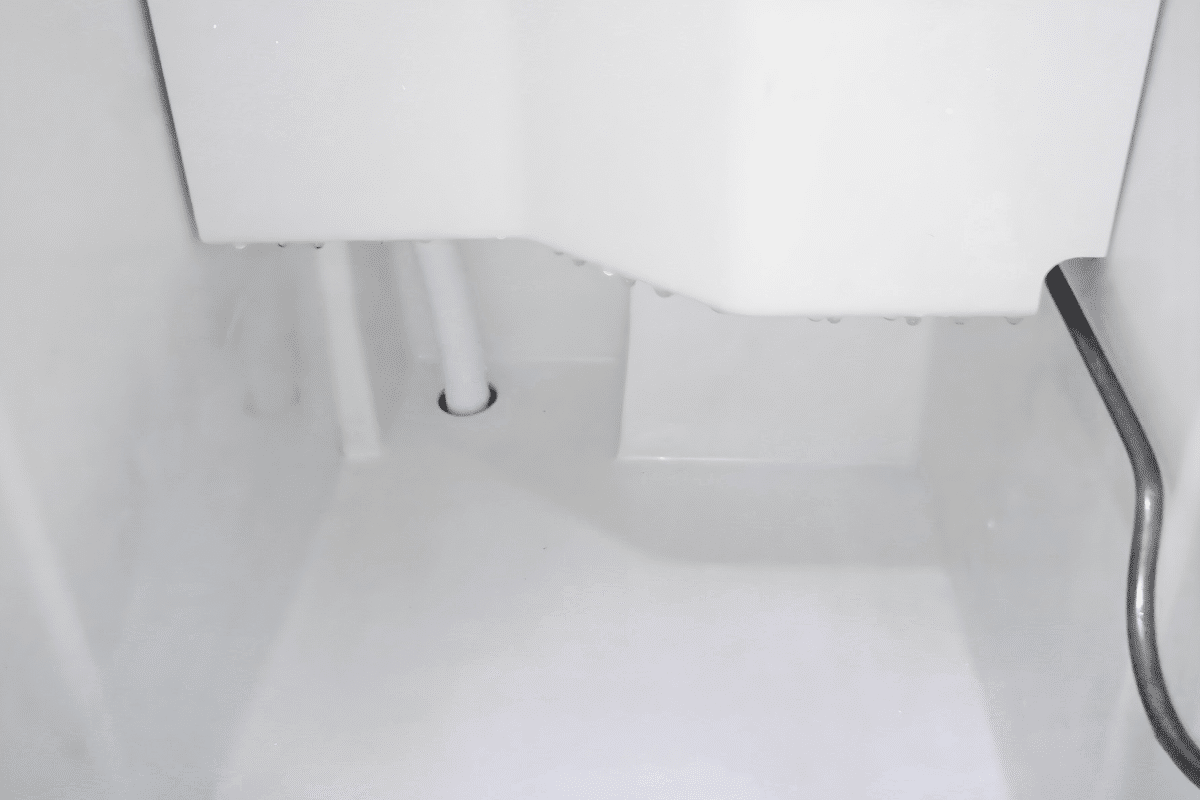
While basic surface wiping can be done by staff, deep ice machine cleaning should always be handled by a certified technician. Attempting DIY cleaning with unapproved chemicals or dismantling internal parts can void warranties, damage components, and compromise food safety. Because ice is a consumable product, professional sanitization is vital for health compliance and consistent performance.
Professional ice machine technicians:
- Use manufacturer-approved cleaning and sanitizing agents
- Access and clean hidden internal components safely
- Check for leaks, scale, and microbial contamination
- Calibrate sensors, float valves, and water distribution systems
- Ensure the unit meets local health code and manufacturer standards
Professional ice machine maintenance does more than protect your equipment. It safeguards your customers and your reputation. The experts at AVIV Appliance Pros provide certified ice machine cleaning and maintenance across the Lowcountry, helping your system perform like new. Our Charleston technicians also service commercial refrigeration, freezers, and other essential equipment with the expertise and integrity that have defined our locally owned business since 1989.